 Thai
ThaiRoyal Park Rajapruek
A Living Centre for Learning, Research and Sustainable Development
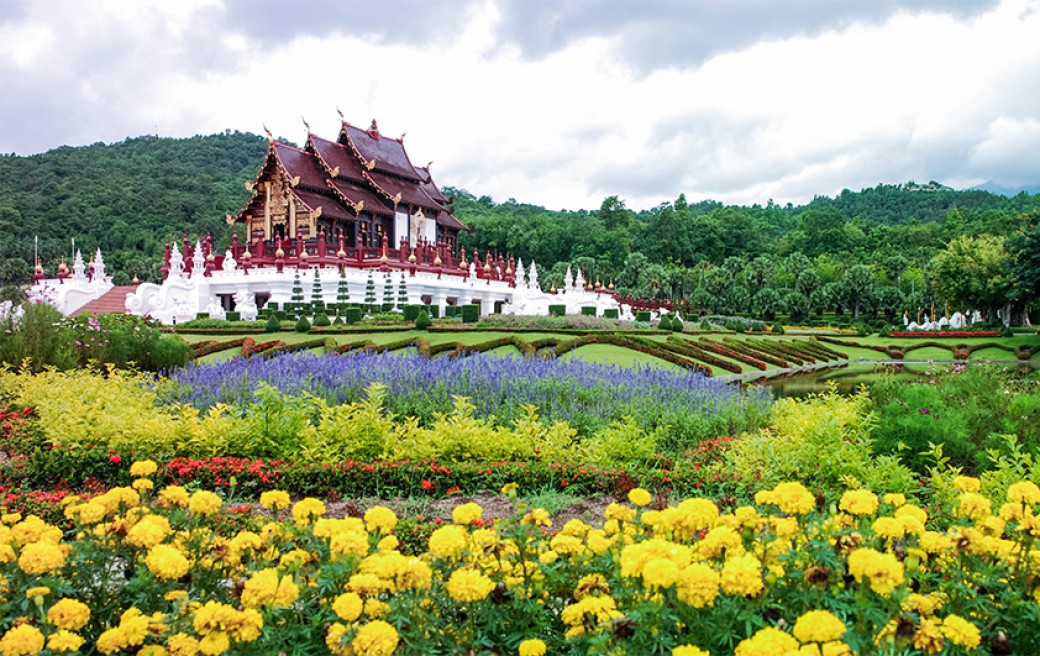
Royal Park Rajapruek is more than a botanical garden. Operated by the Highland Research and Development Institute (Public Organization) (HRDI), it serves as a national centre for learning, horticultural excellence, environmental conservation, and public engagement.
Established following the Royal Flora Ratchaphruek 2006, Thailand's first International Horticultural Exposition recognised by the International Association of Horticultural Producers (AIPH), and further developed through the Royal Flora Ratchaphruek 2011, Royal Park Rajapruek continues the legacy of these landmark events as a centre for learning, research, conservation, and sustainable development. Today, the park brings together nature, science, education, and culture to inspire sustainable living and environmental stewardship.
Our Roles
Royal Park Rajapruek supports HRDI's mission by connecting research, knowledge, and public learning while creating opportunities for conservation, innovation, and collaboration. Through its diverse programmes and facilities, the park serves as a platform where people of all ages can experience the value of sustainable development.
Learning and Education
Royal Park Rajapruek offers a wide range of educational programmes, demonstration gardens, exhibitions, workshops, and experiential learning activities that encourage visitors to explore horticulture, biodiversity, environmental conservation, and sustainable living. As a lifelong learning destination, the park inspires curiosity and fosters greater environmental awareness among students, families, professionals, and the wider public.
Research and Innovation
The park serves as a living laboratory that supports horticultural research, landscape innovation, plant conservation, and the application of sustainable practices. Research findings and innovative approaches are translated into practical demonstrations that promote knowledge exchange and inspire new ideas for sustainable development.
Conservation and Biodiversity
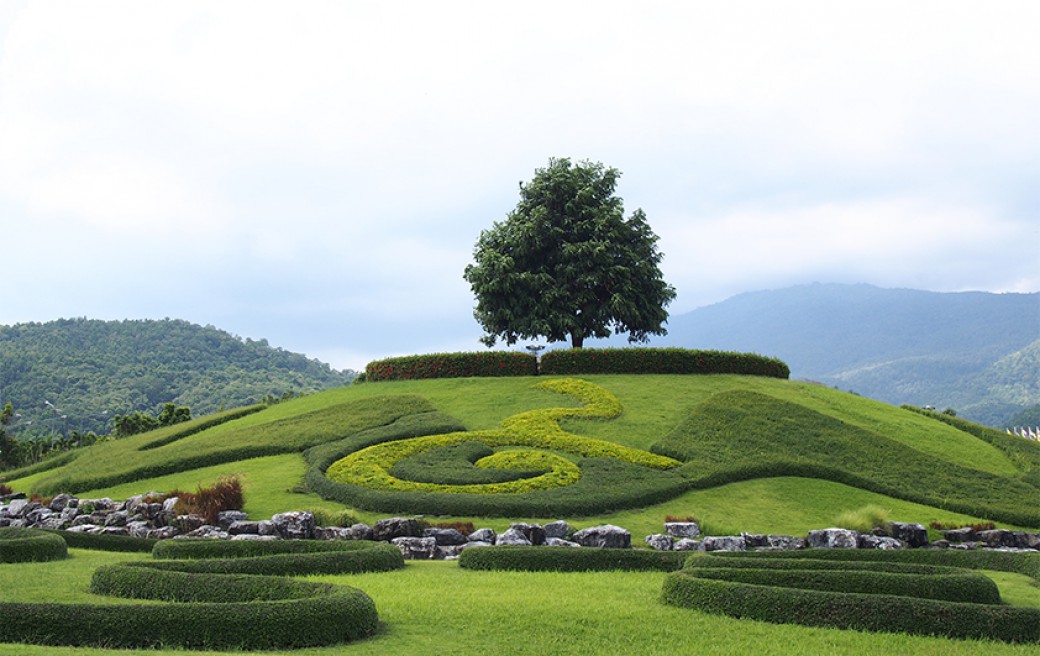
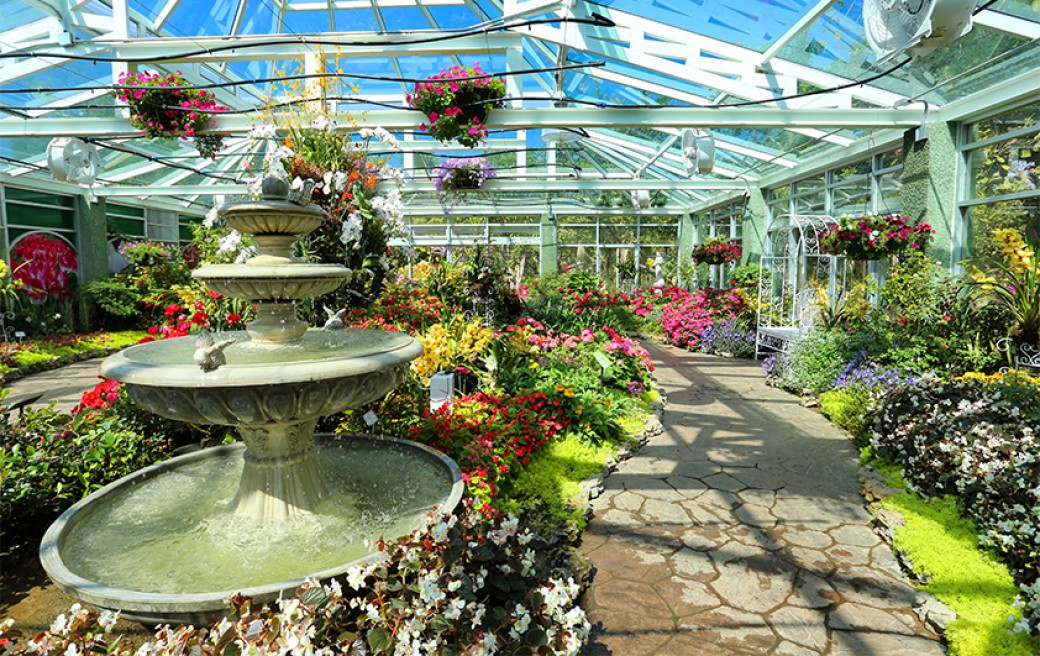
Royal Park Rajapruek contributes to the conservation of plant diversity and the sustainable management of green spaces through curated plant collections, thematic gardens, and environmentally responsible landscape management. The park showcases the importance of biodiversity conservation and encourages the responsible use of natural resources.
Public Engagement
Through exhibitions, festivals, cultural events, seasonal flower displays, volunteer activities, and environmental campaigns, Royal Park Rajapruek connects people with nature and encourages active participation in environmental stewardship. The park provides an inclusive space where learning, recreation, and conservation come together.
A Platform for Collaboration
Royal Park Rajapruek serves as a venue for collaboration among government agencies, educational institutions, researchers, local communities, civil society organisations, the private sector, and international partners.
The park regularly hosts conferences, academic seminars, technical training, exhibitions, international exchanges, and public events that promote knowledge sharing, professional networking, and cooperation in horticulture, environmental conservation, and sustainable development.
Creating Lasting Impact
Royal Park Rajapruek creates value beyond its physical landscape by connecting people with knowledge, nature, and sustainable development.
Its contributions include:
-
Promoting environmental awareness and lifelong learning
-
Conserving plant diversity and horticultural heritage
-
Supporting research, innovation, and knowledge exchange
-
Encouraging sustainable lifestyles and responsible environmental practices
-
Providing a platform for national and international collaboration
-
Inspiring future generations to value biodiversity and environmental stewardship
Looking Ahead
Royal Park Rajapruek will continue to strengthen its role as a leading centre for learning, horticultural excellence, conservation, and sustainable development in Thailand and the region.
By integrating research, innovation, education, and public engagement, the park will continue to inspire people, strengthen partnerships, and contribute to a more sustainable future—where knowledge, nature, and communities grow together.
 |
 |
 |